English
 Italian
 Dutch

Piana di Marcesina
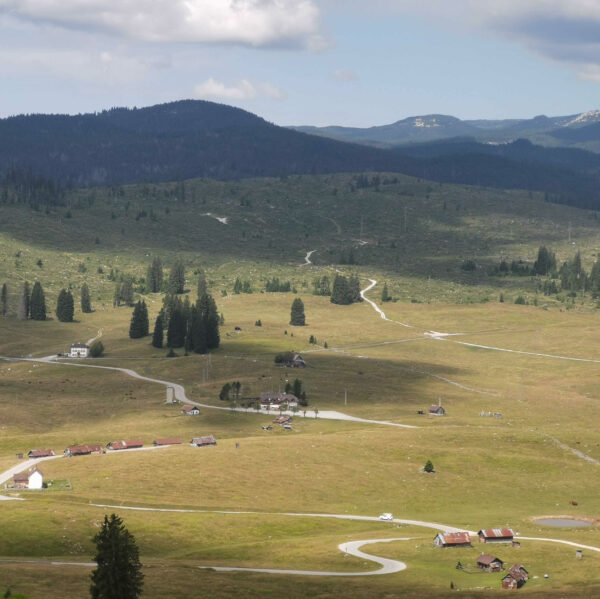
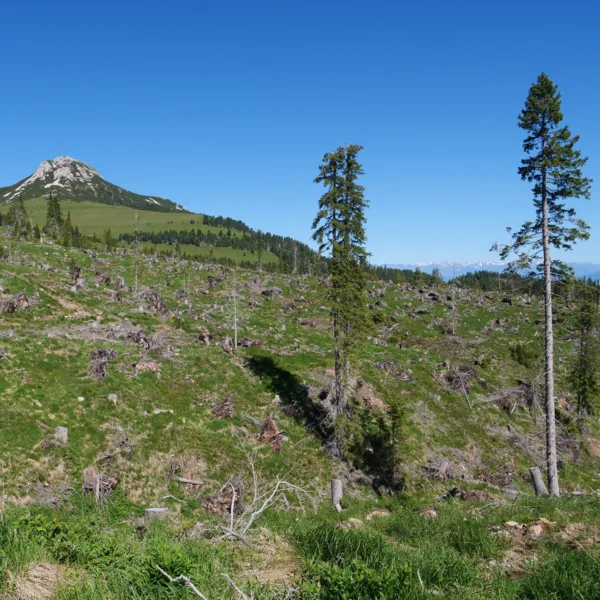
In October 2018, Storm Vaia struck north-eastern Italy with devastating force, causing unprecedented damage. Among the hardest-hit areas was the Piana di Marcesina, a vast plateau in the Altopiano dei Sette Comuni, also known as the “Finland of Italy” for its harsh climate and Nordic landscape.
Enego was the Italian municipality with the largest forest area damaged by Storm Vaia, with nearly 1,000 hectares of forest destroyed. In the following years, the spread of the European spruce bark beetle, an insect that attacks and kills Norway spruce trees, further worsened the situation, causing the death of thousands of trees that had survived the storm.
The Piana di Marcesina reforestation project involves planting 30,000 new trees, starting in spring 2026. The trees will be planted in small, irregular clusters to replicate the natural structure of the forest, at a density of approximately 1,500–1,600 trees per hectare.
The selected species include beech and larch, as well as silver fir, rowan and birch, all of which are better adapted to climate change than Norway spruce, which proved particularly vulnerable both to the extreme winds of Storm Vaia and to the subsequent bark beetle outbreak.
The aim is to establish a diverse, resilient and long-lasting forest capable of once again providing the full range of ecosystem benefits typical of Alpine forests: protection against landslides and erosion, soil stabilisation, CO₂ absorption, habitats for biodiversity and the preservation of the landscape’s natural beauty.
The Piana di Marcesina is one of the most emblematic places affected by the devastation of Storm Vaia. Yet from this disaster, an opportunity for renewal is emerging: transforming a scarred landscape into a living example of environmental regeneration and solidarity.